Remarketing Facebook Ads should not rely on the same ad for everyone who has interacted with your brand.
Each customer is at a different stage of the buying journey – from discovering your brand and visiting your website to being close to completing a purchase.
Segmenting audiences based on their behavior helps businesses deliver more relevant messaging, manage budgets more effectively, and avoid repetitive advertising.
Let’s discover with Nolimit Topup!
1. FACEBOOK ADS FOR NEW ENGAGERS
This group includes people who have watched a video, interacted with a post, or engaged with an ad but have not yet visited your website.
They know your brand but may not have a clear purchase intention yet.
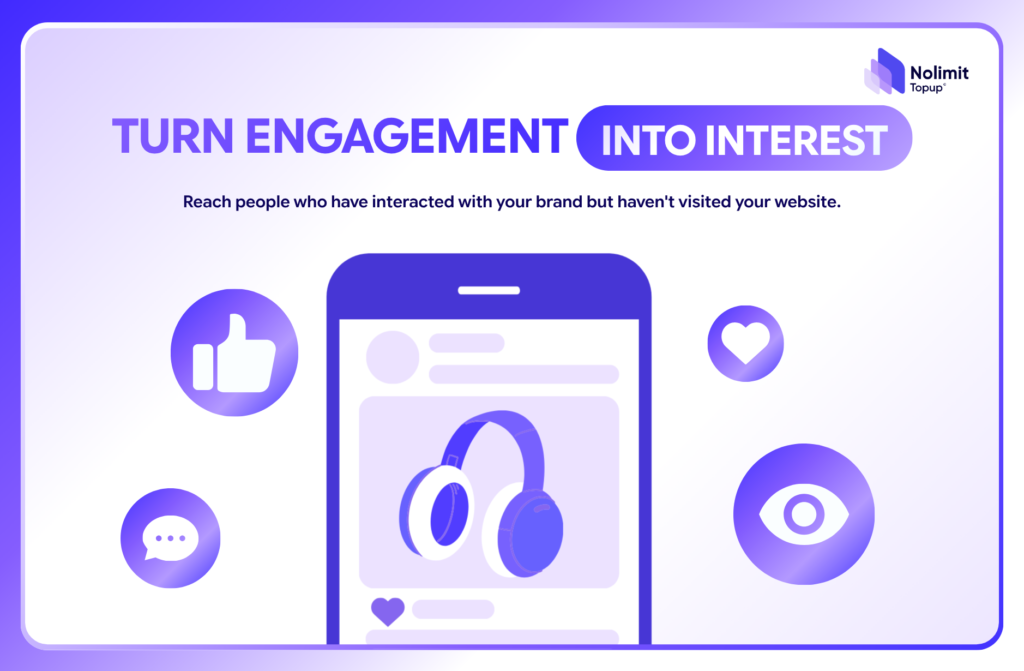
At this stage, Facebook Ads should focus on building interest through product introductions, key benefits, or real customer experiences.
The goal is to move users from awareness to consideration before transitioning them into deeper remarketing audiences.
2. FACEBOOK ADS FOR WEBSITE VISITORS
Website visitors have shown stronger interest but may still be researching or comparing options before making a purchase.
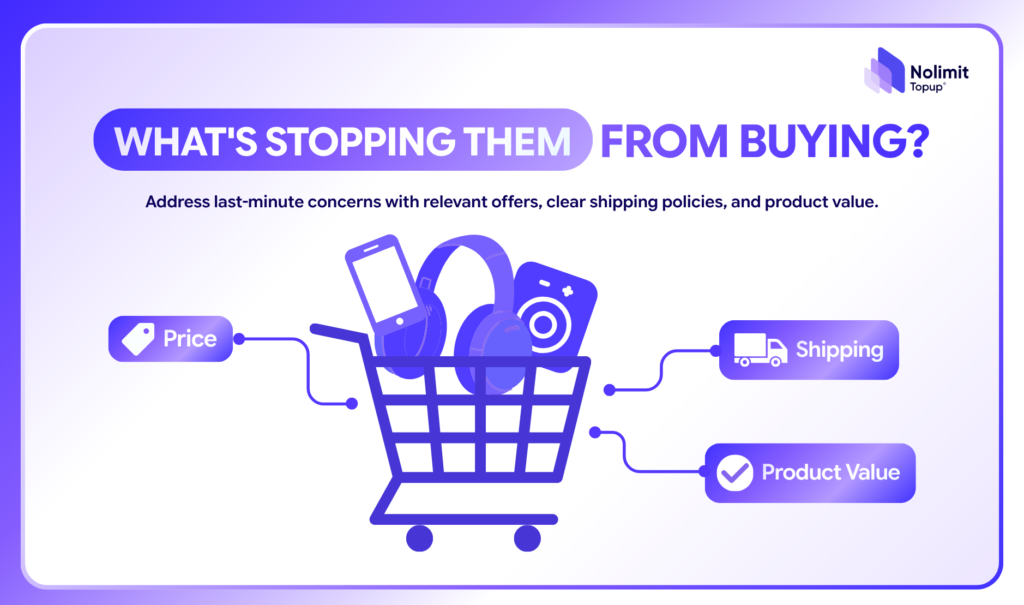
At this stage, Facebook Ads should focus on addressing the reasons customers may still be hesitant.
Businesses can use content such as:
- Customer reviews and testimonials.
- Detailed product information.
- Shipping and return policies.
- Relevant offers or key product benefits.
Website visitors should also be distinguished from users who have viewed specific product pages, as these groups have different levels of purchase intent.
3. FACEBOOK ADS FOR ADD-TO-CART AND CHECKOUT USERS
These users have strong purchase intent and should be prioritized within the remarketing funnel.
Instead of continuing to introduce the product, Facebook Ads should focus on factors that can encourage the final purchase decision.
Messaging can highlight relevant offers, product benefits, shipping policies, or other information that helps customers feel confident completing their purchase.
Businesses should also monitor Frequency.
If ads are shown too often while CTR declines or CPA increases, it may be time to refresh the creative and messaging to avoid ad fatigue.
4. FACEBOOK ADS FOR EXISTING CUSTOMERS
Remarketing does not end after a customer completes a purchase.
Existing customers can still become valuable prospects for future purchases.
Facebook Ads can be used to promote related products, new launches, or offers specifically designed for existing customers.
The timing should be based on the product’s typical purchase cycle to avoid reaching customers too early or too late.
Customers who have already purchased should also be excluded from campaigns targeting non-converters to avoid unnecessary ad spend.
5. OPTIMIZING THE FACEBOOK ADS REMARKETING FUNNEL BASED ON PERFORMANCE
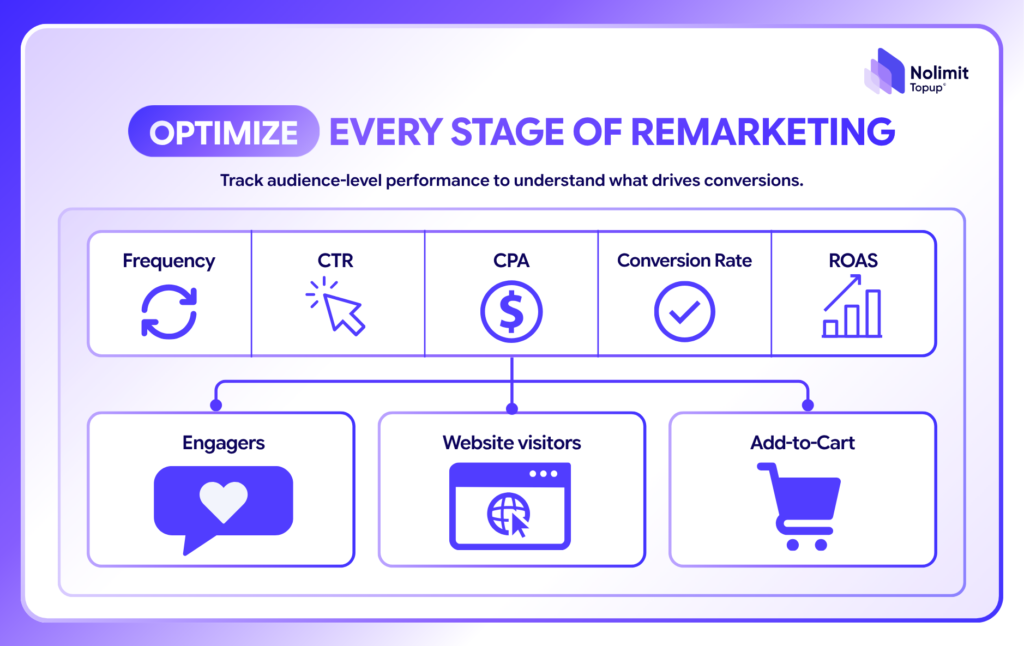
After building the funnel, Team Ads should monitor the performance of each audience segment rather than looking only at overall results.
Key metrics include Frequency, CTR, CPA, Conversion Rate, and ROAS.
Businesses should also monitor audience overlap.
One user may simultaneously be a website visitor, product viewer, and add-to-cart user.
Without proper exclusions, they may receive multiple ads from different campaigns at the same time.
An effective Facebook Ads Remarketing funnel is not about having more campaigns.
It is about delivering the right message at the right stage.
CONCLUSION
Building a Facebook Ads Remarketing funnel based on customer behavior helps businesses understand customer intent and adjust their advertising strategy accordingly.
With properly segmented audiences, timely creative refreshes, and controlled campaign overlap, businesses can reduce wasted ad spend and improve conversion potential.
Leave a Reply